


Tata Sons Puts Decision on Chandrasekaran's Third Term on Hold
The delay signals that continuity at the top of one of India’s largest conglomerate will hinge on alignment between trustees and management over risk and structural priorities.
News
- Fired OpenAI Researchers Warn Dismissals Could Chill Safety Work
- ARTEX Developer Closes AI Hacking Tool After Bank Attacks
- AI Redraws Global Race for Quant Talent as Coding Tools Lower Entry Barriers
- AI Dispatch | India Draws Billions Into AI
- AI Bots Now Make Up Half of Traffic to US Fed’s FRED Database
- Musk Blames ‘Oligarchs’ For Delay in Starlink’s India launch
[Image creative: Chetan Jha/MITSMR India]
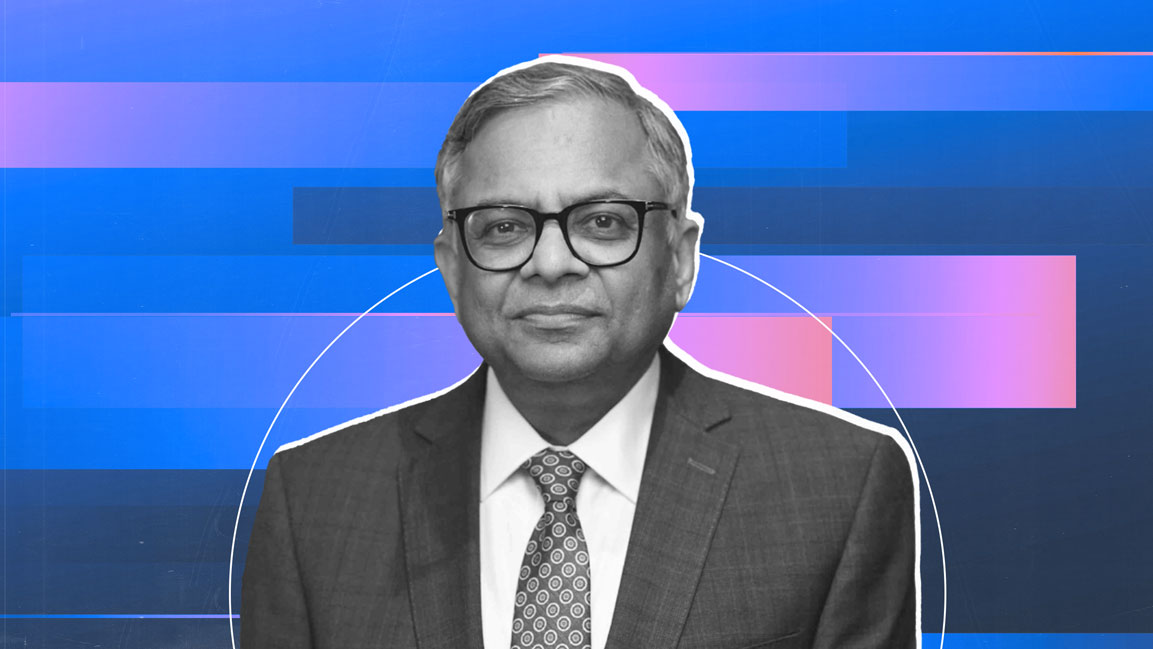
Tata Sons has deferred a decision on extending N. Chandrasekaran’s tenure as Chairman for a third term, after the group’s charity arm Tata Trusts objected to it during a closed-door board discussion on Tuesday, Reuters reported.
At the meeting, four of six directors supported Chandrasekaran’s reappointment, but Noel Tata, the chairman of the Tata Trusts that control the group, opposed moving ahead without assurances tied to governance and risk, including a commitment that Tata Sons would never be listed, the report said.
Chandrasekaran, whose current term runs until February 2027, declined to give such an assurance and indicated he would accept a deferment if the Tata Trusts preferred, Reuters reported.
Tata Trusts owns about 66% of Tata Sons, the unlisted holding firm for the salt-to-software conglomerate that includes Tata Consultancy Services Ltd, Tata Motors Ltd and Air India.
The episode revives concerns of a repeat of the 2016 Tata Trusts versus Tata Sons clash that spilled into public view and dented the group’s reputation.
While Reuters highlighted the “no listing” assurance as a key sticking point, other Indian business reports described a wider set of demands being pressed by Noel Tata before any term extension is considered.
The Financial Express reported that these included keeping Tata Sons unlisted, operating with zero debt, curbs on high-risk capital expenditure that could drain reserves, and tighter control of losses linked to certain acquisitions and newer ventures.
Chandrasekaran is widely seen as the operating anchor of the group, having taken over as Tata Sons chairman in 2017 after rising through TCS, where he served as Chief Executive.
He has also faced a year of operational pressure across key businesses, including regulatory scrutiny around Air India, pricing pressure at TCS, and disruption linked to a cyberattack at Jaguar Land Rover, Reuters reported.
The Economic Times reported that Chandrasekaran asked the board to defer the reappointment discussion after differences surfaced in the meeting.
The Financial Express report linked his concerns to losses in some newer ventures and argued the moment is sensitive, given the scale of capital being deployed across aviation, electronics and other bets.
Tata Sons sits in the Reserve Bank of India’s regulatory frame for large conglomerates that include systemically important financial entities, and any balance sheet or governance choice that increases pressure to list would be politically and reputationally fraught for the trusts, which have historically preferred the holding company to remain private.