AI Agents May Flip Internet Traffic Patterns
Huawei and GlobalData say autonomous AI systems will put greater pressure on uplink capacity as devices send video, files, sensor data and other information back to computing infrastructure.
Topics
News
- Fired OpenAI Researchers Warn Dismissals Could Chill Safety Work
- ARTEX Developer Closes AI Hacking Tool After Bank Attacks
- AI Redraws Global Race for Quant Talent as Coding Tools Lower Entry Barriers
- AI Dispatch | India Draws Billions Into AI
- AI Bots Now Make Up Half of Traffic to US Fed’s FRED Database
- Musk Blames ‘Oligarchs’ For Delay in Starlink’s India launch
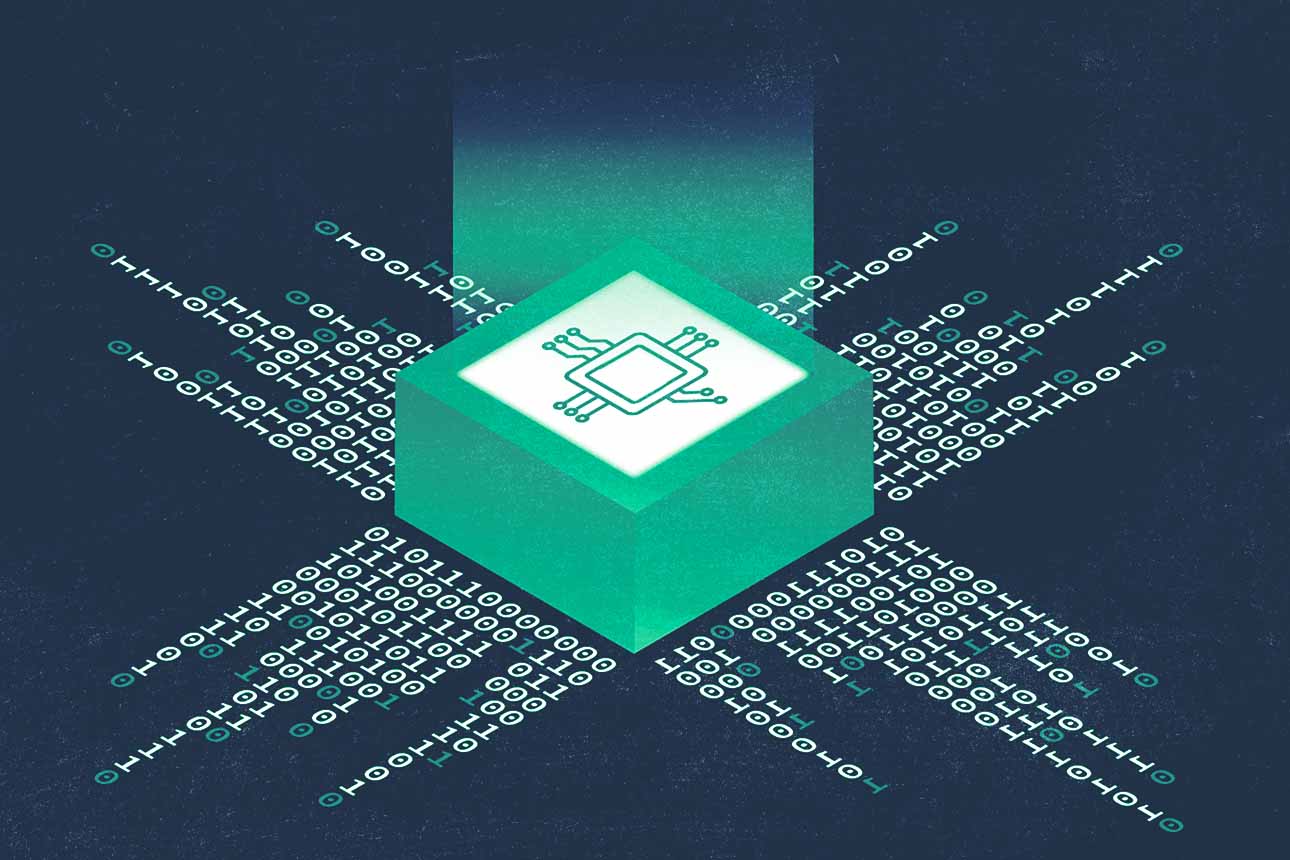
AI agents could sharply increase the amount of data travelling upstream across networks as devices send information to cloud and edge computing systems for processing, putting new pressure on infrastructure that has traditionally carried much more traffic in the opposite direction.
Huawei and GlobalData make that case in a new white paper, titled Intelligent WAN White Paper in AI Era, released at Huawei Connect 2026 in Shanghai, arguing that wide-area networks will have to cope with heavier and less predictable uplink traffic as autonomous AI systems become more widely used.
“Network connections are shifting from humans to agents; traffic patterns are shifting from heavy downlink traffic to massive uplink traffic,” said Ado, CEO of Huawei’s Wide Area Network Domain.
The claim does not mean downloads are about to become a minority of internet traffic. Video streaming and other content consumption still account for far greater volumes. But network companies are beginning to see uplink traffic growing more quickly.
Ericsson, in an analysis of 55 mobile service providers, found that 43 recorded faster growth in uplink than downlink traffic in 2025. Seventeen had uplink growth rates more than 1.5 times as high.
AI could widen that gap.
AI-enabled glasses, phones, vehicles and other connected devices can send video, audio, location information and sensor data to remote computing systems for inference. Agents that remain active for longer periods could also generate persistent traffic as they interact with applications and cloud services.
Ericsson estimates that uplink traffic could triple by 2031 under a medium AI-adoption scenario, with generative AI applications accounting for nearly a third of it. Downlink would still make up the large majority of overall mobile traffic.
Huawei’s white paper focuses on what the same trend could mean for wide-area networks connecting offices, cloud services, data centers and other computing facilities.
Dustin Kehoe, head of AMEA tech research at GlobalData, said AI workloads could produce sudden traffic surges and require more computing to be placed closer to where data is generated.
That creates a different problem from simply adding bandwidth. Networks may have to direct data between devices, edge-computing facilities and larger data centers according to where processing capacity is available and how quickly a particular AI task needs a response.
Huawei argues that existing WAN architecture will need to become more flexible as those workloads spread.
The International Telecommunication Union is also examining the network demands created by agentic AI. A work item opened this year is studying signalling requirements and network architecture for autonomous AI systems that use edge computing.
For operators, the immediate issue is not that AI will overturn the download-heavy internet model. It is that a part of the network that has historically received less attention could have to carry considerably more traffic.
Ericsson currently puts uplink at about 10% of mobile traffic. Its projections suggest that share could rise substantially as AI applications move beyond text prompts to continuous video, audio and sensor feeds.
Huawei and GlobalData expect that change to reach enterprise networks as well, particularly if agents begin working continuously across applications rather than responding to occasional requests from users.