
Agentic AI Will Reshape Customer Service, but Gaps Remain, Study Says
Capgemini’s study shows agentic AI moving into core service roles, but most organizations remain stuck with fragmented technology and outdated workflows.
Topics
News
- Adani, Jabil Plan AI Data Center Hardware Platform in India
- Arun Misra May Take over as Vedanta CEO in August
- TCS Ties Up With Anthropic to Push Claude Into Enterprise AI
- Karnataka Shortlists 256 Deeptech Startups for ELEVATE NxT Finale
- Reliance-Backed Addverb Eyes $100 Million for Robotics Push
- Anthropic Releases Claude Fable 5 and Mythos 5
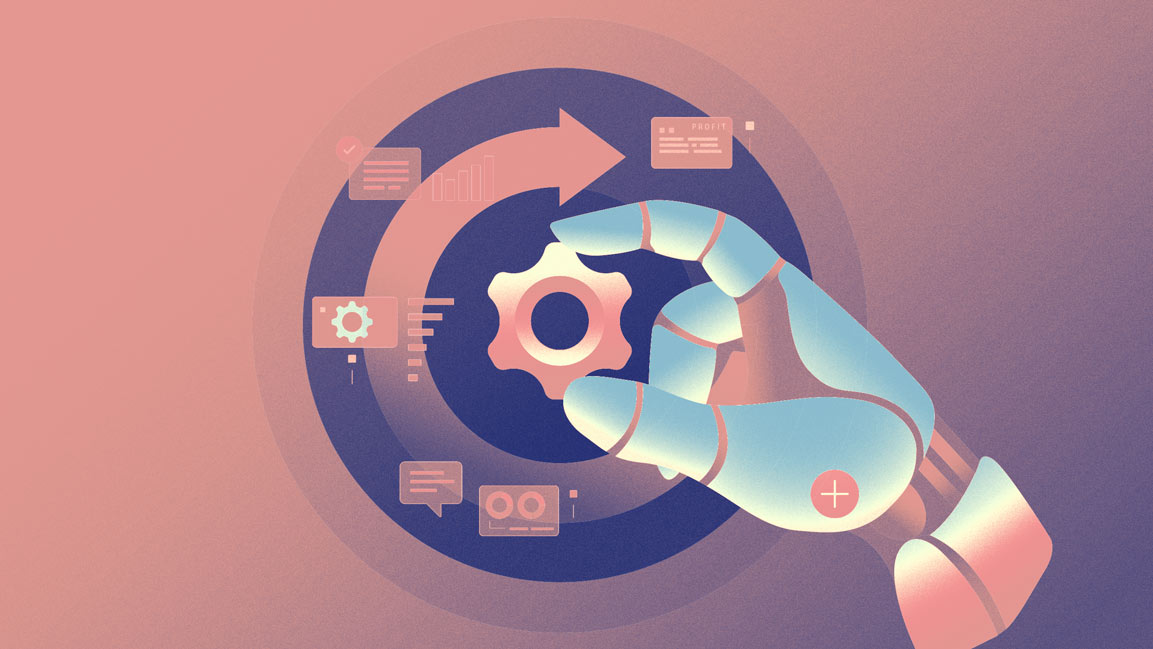
Customer service is entering a decisive new phase as agentic AI, or systems that can learn continuously, act autonomously, and collaborate with humans in real time, moves from experimentation to enterprise adoption, according to Capgemini’s latest research, ‘Unleashing the Value of Customer Service.’
The report finds organizations increasingly view service not as a cost center but as a strategic driver of growth, loyalty, and competitive differentiation.
Capgemini defines agentic AI as going beyond traditional chatbots and automation to deliver predictive, and personalized customer interactions that anticipate needs rather than simply react to inquiries.
Still, the firm stresses this potential will not be realized without a significant redesign of customer interactions, service operations, and the alignment of people, platforms, and strategy.
The urgency for transformation is clear. While customer service has a direct impact on brand perception and business outcomes, consumer satisfaction remains low at just 45%, the report finds.
At the same time, the upside is significant: improving customer retention by only 5% can boost revenues by 25% to as much as 95%. This has pushed customer service into the boardroom, reframing it from a cost center into a growth engine.
Yet most organizations are not ready. Capgemini’s research shows that 79% of executives cite fragmented and outdated technology infrastructure as a major barrier to effective service delivery.
Nearly half of global contact centers still run on on-premise systems, limiting access to real-time data, slowing responses, and making personalization difficult. Capgemini describes unifying data and AI infrastructure, what it calls “access”, as the first step toward true AI readiness.
To address these gaps, Capgemini is partnering with Salesforce to help enterprises transition from traditional call centers to AI Customer Engagement Centers.
Salesforce brings agentic AI capabilities through platforms such as Agentforce Service, Agentforce Voice, Data360, and MuleSoft Agent Fabric, while Capgemini focuses on embedding these technologies into core business processes so they deliver tangible outcomes rather than isolated pilots.
The report notes that organizations that successfully scale AI on top of connected data foundations achieve productivity gains of 30-50% and cost reductions of 20-60%.
Real-world implementations point to similar impact: Salesforce Help, for instance, has achieved 75% case resolution by integrating intelligent capabilities directly into service workflows.
However, Capgemini warns that many AI initiatives stall at the pilot stage due to siloed deployments and poor integration into daily operations. True transformation requires embedding AI across the entire customer service journey, using autonomous and assistive agents to surface intent signals, orchestrate human and digital workers, and continuously learn from real-time interactions.
The report also emphasizes the importance of industry-specific AI. Regulated sectors such as financial services, life sciences, and manufacturing need solutions tailored to their compliance and operational realities. Capgemini and Salesforce address this through pre-built industry data models, workflows, and multi-agent blueprints that balance innovation with trust.
Ultimately, Capgemini argues that the future of customer service lies in thoughtful human-AI orchestration.