

Altman’s AI Energy Comparison to Human Development Draws Flak
OpenAI chief argued that debates over model power consumption overlook the broader societal investment required to build human intelligence, drawing criticism from technology executives and sustainability advocates
News
- Fired OpenAI Researchers Warn Dismissals Could Chill Safety Work
- ARTEX Developer Closes AI Hacking Tool After Bank Attacks
- AI Redraws Global Race for Quant Talent as Coding Tools Lower Entry Barriers
- AI Dispatch | India Draws Billions Into AI
- AI Bots Now Make Up Half of Traffic to US Fed’s FRED Database
- Musk Blames ‘Oligarchs’ For Delay in Starlink’s India launch
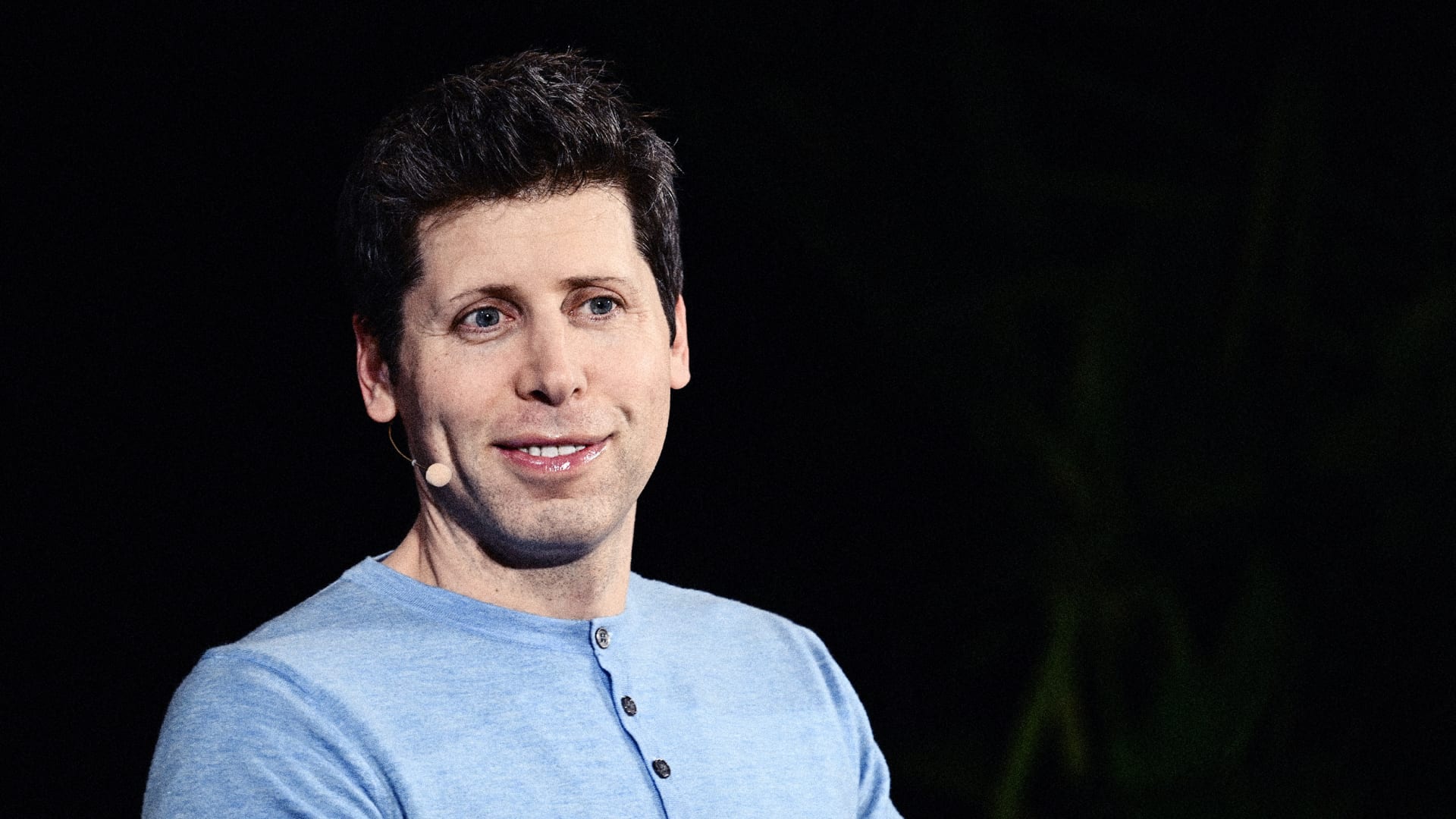
A recent comparison by OpenAI Chief Executive Sam Altman between the energy required to train advanced AI systems and the resources needed to develop human intelligence, made on the sidelines of the India AI Impact Summit 2026, has drawn criticism from industry leaders and sustainability advocates.
Altman made the remarks during an Express Adda session hosted by The Indian Express on Friday, 20 February, in New Delhi, while responding to a question about the high energy demands of training large AI models.
He said debates about ChatGPT’s power consumption often isolate the electricity used to train models without considering the broader context of how societies invest time and resources in building human intelligence.
“People talk about how much energy it takes to train an AI model. But it also takes a lot of energy to train a human. It takes about 20 years of life and all the food you consume during that time before you become smart,” Altman said.
He added that human intelligence is the product of centuries of accumulated learning.
“It took the widespread evolution of the 100 billion people who have ever lived and learned not to get eaten by predators and how to figure out science and whatever to produce you,” he said.
Altman was responding to a question from Anant Goenka, Executive Director of The Indian Express Group, who referenced claims that a single ChatGPT query consumes energy equivalent to multiple smartphone battery charges.
The comparison prompted criticism from some technology leaders.
Sridhar Vembu, Chief Scientist at Zoho Corp., said on X that he did not want to see technology equated with human beings.
“I work hard as a technologist to see a world where we don’t allow technology to dominate our lives. Instead it should quietly recede into the background,” he wrote.
Altman was in India to attend the summit and said the country is among the fastest adopters of AI and could become one of its largest markets.
He cautioned against concentrating AI power in a single company or country, arguing that broad access is essential.
“The only path ahead is to democratize AI and put these tools in people’s hands,” he said.
Altman also outlined OpenAI’s strategy of “iterative deployment,” releasing systems while they continue to evolve so that users can adapt alongside the technology.
“It means that we take the tradeoff of empowering people and accepting society is going to have to wrestle with a new thing, rather than try to hold on to all the power ourselves and say we can guarantee this or that outcome,” he said.