


Novo Nordisk Sues Eli Lilly Over Weight-Loss Drug Ads
Novo Nordisk says Lilly’s advertisements use outdated comparisons that omit the recently approved higher dose of Wegovy.
Topics
News
- Fired OpenAI Researchers Warn Dismissals Could Chill Safety Work
- ARTEX Developer Closes AI Hacking Tool After Bank Attacks
- AI Redraws Global Race for Quant Talent as Coding Tools Lower Entry Barriers
- AI Dispatch | India Draws Billions Into AI
- AI Bots Now Make Up Half of Traffic to US Fed’s FRED Database
- Musk Blames ‘Oligarchs’ For Delay in Starlink’s India launch
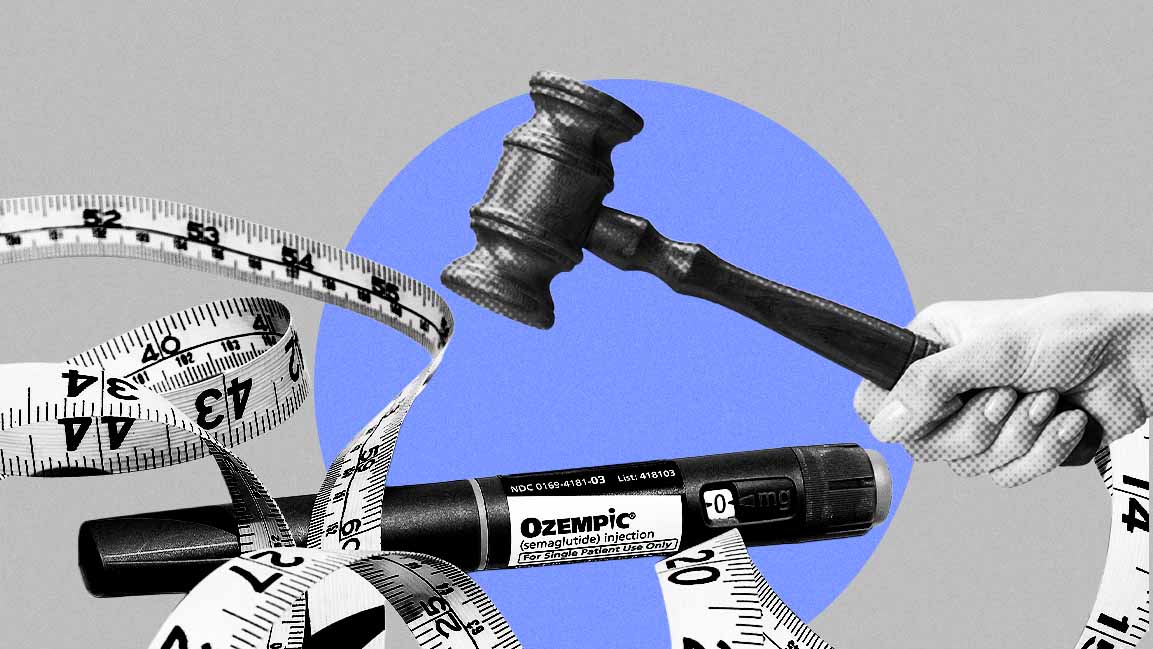
Novo Nordisk has sued Eli Lilly, accusing its US rival of running false and misleading advertisements for obesity drug Zepbound and diabetes treatment Mounjaro.
The lawsuit, filed in the US District Court for New Jersey on Tuesday, 21 July, alleges that Lilly violated federal and state advertising and competition laws by comparing the highest doses of its medicines with lower doses of Novo’s Wegovy and Ozempic.
Novo said the campaigns rely on older clinical trials and fail to account for the 7.2 mg dose of Wegovy approved by the US Food and Drug Administration (FDA) in March.
The FDA said the higher dose produced greater average weight loss than previously approved doses. It did not compare the treatment directly with Lilly’s Zepbound.
“The ads are maliciously and deceptively false because Lilly knowingly cites outdated clinical trials that compare the highest doses of the Lilly medicines to lower doses of Novo Nordisk’s medicines,” Novo said in its complaint.
Novo General Counsel John F. Kuckelman said pharmaceutical companies had a responsibility to keep public claims current and accurate.
“Ineffective, fine-print disclaimers do not fix the misleading impression created by major national campaigns,” he said.
Novo said it sent Lilly a cease-and-desist letter in April. Lilly later added a disclaimer, but Novo said the change did not correct the overall impression created by the advertisements.
The Danish company is seeking an order requiring Lilly to withdraw the campaigns, run corrective advertising and pay damages, including profits allegedly generated by the disputed promotions.
Lilly defended its advertising and said its claims were supported by scientific evidence, including the SURMOUNT-5 trial.
That head-to-head study compared tirzepatide, the active ingredient in Zepbound, with the then-approved 2.4 mg dose of semaglutide used in Wegovy. Participants taking tirzepatide lost more weight on average after 72 weeks.
Lilly said it would continue to promote the study’s findings.
The lawsuit deepens the rivalry between the two dominant makers of GLP-1 medicines as they compete for patients, prescriptions and market share in obesity and diabetes treatment.
Novo sells Wegovy and Ozempic, while Lilly markets Zepbound and Mounjaro. The global market for obesity drugs is expected to exceed $100 billion by the end of the decade, according to estimates cited by Reuters.
Both companies are spending heavily on manufacturing, clinical trials and advertising as demand grows, making the wording of comparative claims increasingly commercially important.