

Rohit Prasad Takes Over as CEO at Boston Dynamics
The former Amazon executive behind Alexa and the Nova models will lead the Hyundai-owned robotics company as it prepares to scale Atlas and other intelligent machines.
Topics
News
- Fired OpenAI Researchers Warn Dismissals Could Chill Safety Work
- ARTEX Developer Closes AI Hacking Tool After Bank Attacks
- AI Redraws Global Race for Quant Talent as Coding Tools Lower Entry Barriers
- AI Dispatch | India Draws Billions Into AI
- AI Bots Now Make Up Half of Traffic to US Fed’s FRED Database
- Musk Blames ‘Oligarchs’ For Delay in Starlink’s India launch
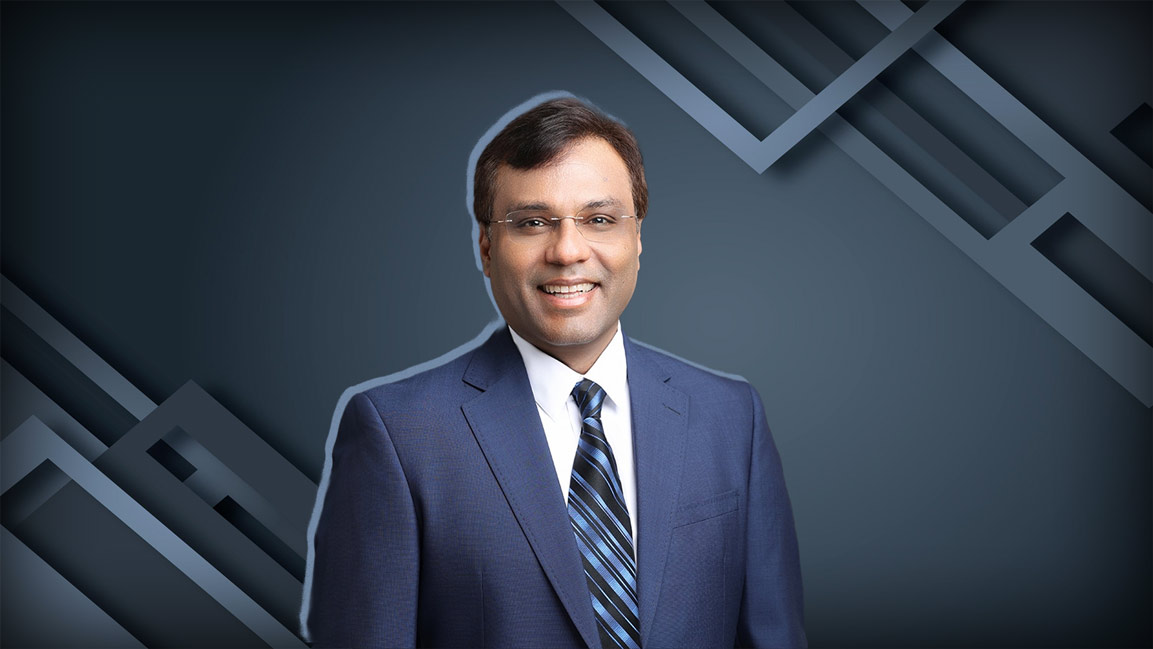
Rohit Prasad, the former Amazon executive who helped build Alexa and later led its artificial-general-intelligence efforts, has been appointed chief executive of Boston Dynamics as the robotics company steps up its push into what it calls physical AI.
Prasad took over on Wednesday, 7 October, succeeding Robert Playter, who stepped down in February. He is also expected to join Boston Dynamics’ board, subject to approval.
Boston Dynamics said the appointment is intended to accelerate the integration of advanced AI with its robotics platforms and bring more intelligent machines into industrial and commercial use. The company, owned by Hyundai Motor Group, makes Spot, Stretch and the humanoid Atlas robot.
Prasad spent more than a decade at Amazon. He joined the company in 2013 as director of machine learning for Alexa and later became senior vice president and head scientist for Alexa and Artificial General Intelligence. He also helped lead the development of Amazon’s Nova family of foundation models.
“By bringing together advanced AI and robotics, we can build intelligent systems that create meaningful value in real-world environments,” Prasad said in Boston Dynamics’ announcement.
His arrival comes as Boston Dynamics moves from eye-catching robot demonstrations toward broader commercial deployment.
Hyundai plans to build a US robot production facility capable of making as many as 30,000 units a year by 2028. Atlas is expected to begin working at Hyundai Motor Group Metaplant America in Georgia that year before being deployed more widely across the group’s factories.
The group plans to introduce Atlas gradually, starting with manufacturing tasks such as parts sequencing before expanding into more complicated assembly work. Hyundai has also opened a US application center where robots can be trained and tested in simulated factory conditions before entering production lines.
Boston Dynamics has separately partnered with Google DeepMind to develop AI models for its next generation of humanoid robots, part of an effort to give machines greater autonomy and the ability to adapt to changing environments.
The commercial challenge remains substantial. Boston Dynamics has spent decades developing some of the world’s most advanced mobile robots, but humanoids such as Atlas have yet to be deployed at scale. A public listing is also considered unlikely in 2027 as Hyundai focuses first on building operating data and expanding production.
Prasad’s appointment points to where Boston Dynamics sees the next bottleneck. The company has already demonstrated that its robots can walk, balance and manipulate objects. The next task is making them intelligent enough to perform useful work reliably, and cheaply enough to deploy in large numbers.