Tesla Spends $5.8 Billion on AI as Profit and Cash Flow Slide
Tesla’s quarterly capital expenditure jumped 142% as Elon Musk accelerated investment in robotaxis, AI chips and humanoid robots, pushing free cash flow below zero.
Topics
News
- Fired OpenAI Researchers Warn Dismissals Could Chill Safety Work
- ARTEX Developer Closes AI Hacking Tool After Bank Attacks
- AI Redraws Global Race for Quant Talent as Coding Tools Lower Entry Barriers
- AI Dispatch | India Draws Billions Into AI
- AI Bots Now Make Up Half of Traffic to US Fed’s FRED Database
- Musk Blames ‘Oligarchs’ For Delay in Starlink’s India launch
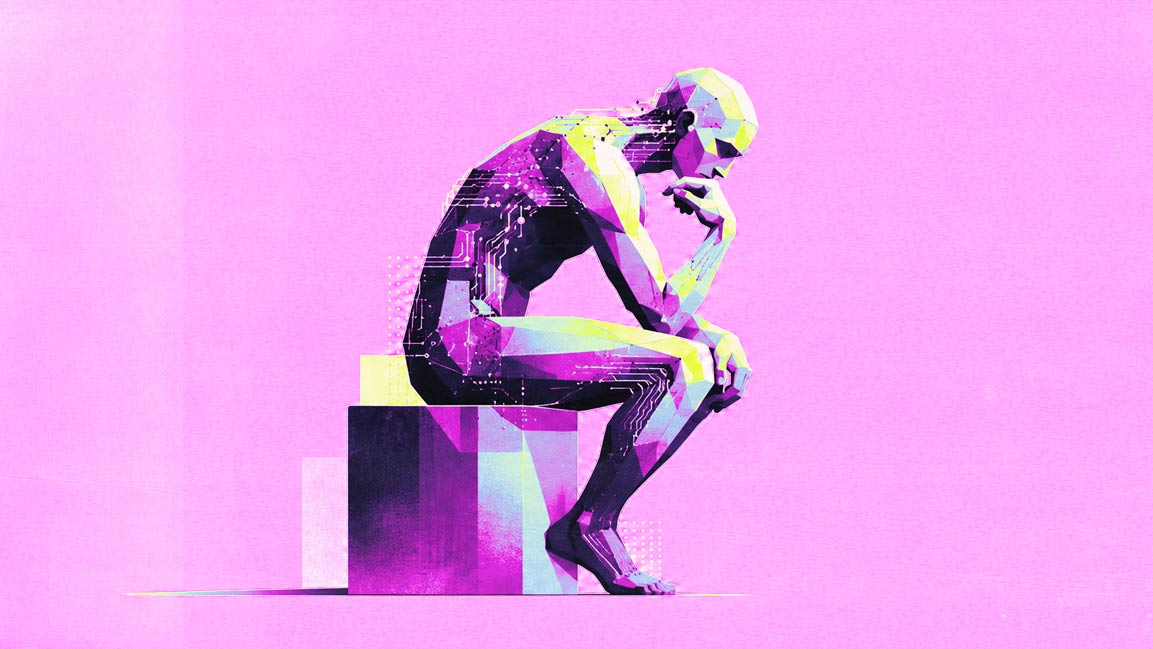
Image Credit- Chetan Jha/ MIT Sloan Management Review India
Tesla spent $5.79 billion on artificial intelligence, robotics and manufacturing projects in the second quarter, pushing free cash flow into negative territory as weaker vehicle pricing and falling regulatory-credit revenue squeezed profits.
Capital expenditure rose 142% from a year ago as the electric-vehicle maker invested in AI computing, semiconductor production, its Cybercab robotaxi and the Optimus humanoid robot program.
The spending left Tesla with negative free cash flow of $1.09 billion, compared with positive cash flow of $146 million a year earlier. It was the company’s first quarterly cash burn in more than two years.
Tesla expects capital expenditure to exceed $25 billion in 2026, underscoring Chief Executive Elon Musk’s attempt to recast the company from an electric-car manufacturer into an AI, robotics and autonomous-transport business.
The investment surge came as Tesla’s established automotive operation delivered more vehicles but generated thinner returns.
Operating income fell 57% to $398 million in the three months ended June 30, while the operating margin narrowed to 1.4% from 4.1% a year earlier.
Net income declined 5% to $1.11 billion. Adjusted earnings were 33 cents a share, well below the 51 cents expected by analysts surveyed by London Stock Exchange Group, or LSEG.
Revenue rose 26% to $28.24 billion, beating Wall Street’s estimate of $25.71 billion, as quarterly deliveries reached a record 480,126 vehicles.
The figures showed the central tension in Tesla’s current strategy. Higher deliveries and stronger revenue have not prevented profitability and cash generation from weakening as the company cuts vehicle prices and directs more money toward businesses that have yet to produce substantial revenue.
Automotive revenue increased 23% to $20.52 billion, but average revenue per vehicle fell as Tesla used discounts and lower-priced models to stimulate demand.
Reuters calculated that average automotive revenue per vehicle declined to about $42,730 from $45,345 a year earlier. Automotive gross margin, excluding regulatory credits, fell to 16.3%.
Revenue from regulatory credits dropped 67% to $146 million. Tesla earns the credits by selling zero-emission vehicles and transfers them to other manufacturers that need help meeting emissions requirements.
That source of highly profitable revenue has weakened as the US government relaxes some environmental rules and competing manufacturers sell more electric vehicles of their own.
Tesla said operating expenses rose 47% to $4.35 billion, partly because of spending on AI and other research projects.
Chief Financial Officer Vaibhav Taneja said expenses were likely to continue rising through 2026 and beyond as the company expanded its autonomous-driving, robotics and semiconductor programs.
Tesla has begun producing the Cybercab, a purpose-built autonomous vehicle without conventional driving controls. The company said its robotaxi service was operating in seven major US metropolitan areas.
Subscriptions to Tesla’s Full Self-Driving software rose 56% to 1.48 million, providing one of the clearest signs that the company is beginning to build recurring revenue around its autonomous-driving technology.
The system still requires supervision in vehicles sold to consumers, despite its name.
Tesla is also installing production lines for the first generation of its Optimus humanoid robot. The company said the initial robots would be used internally to gather training data and develop additional capabilities rather than being delivered to outside customers.
The early-stage nature of those businesses means investors are being asked to absorb heavy spending before the company can show whether robotaxis, robots and proprietary AI chips will generate sufficient returns.
Tesla’s energy generation and storage revenue rose 13% to $3.14 billion, while services and other revenue jumped 50% to $4.58 billion. The company deployed 13.5 gigawatt-hours of energy-storage products during the quarter.
Tesla shares fell about 4% in extended trading after the results. The stock had already declined 17% this year before Wednesday’s close.
The reaction reflected concern that Tesla’s AI transition is becoming more expensive just as profitability in its core vehicle business is weakening.
Revenue growth and record deliveries showed that demand had recovered during the quarter.