

Quantum, AI Move Toward a Hybrid Future as Commercial Use Nears
Speaking at the India AI Impact Summit 2026, executives said early gains will emerge in optimization while security risks and talent gaps demand preparation.
Topics
News
- External Review Finds Flaws in OpenAI’s Agent Monitoring System
- Microsoft AI System Outperforms General Physicians in Diagnostic Tests
- How Sundar Pichai Uses AI Agents to Track Google Operations
- Tech Mahindra Partners With SpaceXSI to Scale AI-Powered Coding
- Barclays to Cut 5,000 Jobs as AI Drives Cost Savings
- CERT-In Warns of Compromised eMudhra Certificate Authority Keys
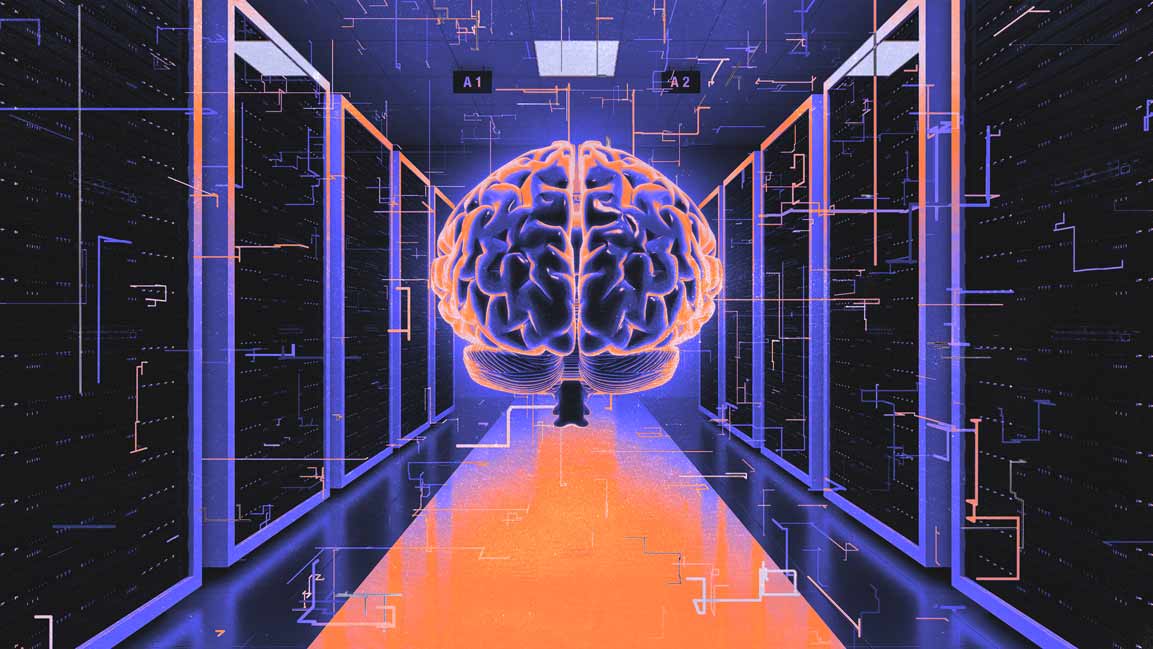
Quantum computing is edging toward commercial reality, and executives said its first real impact will come from pairing it with artificial intelligence rather than replacing existing systems.
Speaking at the India AI Impact Summit 2026, Amit Singhi, Director of IBM Research India, said the future lies in hybrid architecture.
“It’s not going to be just quantum. It’s going to be a combination of quantum and classical,” he said. Traditional data centers would handle routine workloads, while complex optimization problems would shift to quantum processors.
IBM expects more stable, large-scale systems toward the end of this decade. Machines capable of meaningful commercial impact could emerge in the early 2030s.
Early applications are likely in optimization-heavy sectors. Gopal Ranganathan, CEO of AI optimization firm Quad Optima, pointed to supply chains and portfolio management, where thousands of variables create combinatorial complexity and small efficiency gains translate into material returns.
In the longer term, he said, quantum computing could tackle larger challenges such as climate modeling or large scale economic simulations. But those use cases are likely several years away.
Quantum systems require extreme cooling and specialized control infrastructure.
“Controlling that silicon and maintaining the error rate is the challenge,” said Sandeep Kumar, CEO of L&T Semiconductor.
He expects hybrid data centers incorporating quantum systems to begin forming around 2030 and stressed the need for university-led talent development.
Security is another pressing issue. Brendan Peter of cybersecurity firm Zscaler warned that quantum computing could eventually break some of today’s encryption standards.
“The business imperative and the security imperative is real and it’s now,” he said. Even if powerful quantum computers are years away, companies should begin preparing by adopting post quantum encryption methods. Hackers, he noted, may already be storing encrypted data in hopes of decrypting it later.
From a policy standpoint, Jordan Crenshaw of the U.S. Chamber of Commerce said governments are looking at research funding, supply chains and export rules. Talent mobility is also key, as quantum research often involves cross border collaboration.
For India, access does not appear to be the main problem. Singhi noted that India has one of the largest user bases on IBM’s public quantum cloud platform. The bigger challenge is turning that interest into commercial applications and deeper industry involvement.
Panelists agreed that cooperation between the US and India could accelerate progress. The US leads in hardware and advanced research. India brings a large pool of engineers, a fast growing startup ecosystem and national initiatives focused on quantum technology.