

IBM Pushes Autonomous Security as Attacks Accelerate
The announcement reflects a broader shift in enterprise cybersecurity, where the competitive edge is defined by how quickly and coherently systems can respond to high-velocity, AI-driven threats.
Topics
News
- Cisco Warns Critical Email Gateway Flaw Under Active Attack
- Bank of America Hires 1,000 Contractors as AI Raises Cyber Costs
- Netflix Cuts About 1,000 Jobs in Biggest Layoff Since 2022
- Indian Embassy in Jakarta Launches AI Avatar Dewi
- Anthropic Tests How Small AI Models Can Replicate Across IoT Devices
- Scientists Call for Global Oversight of Cyber-Capable AI
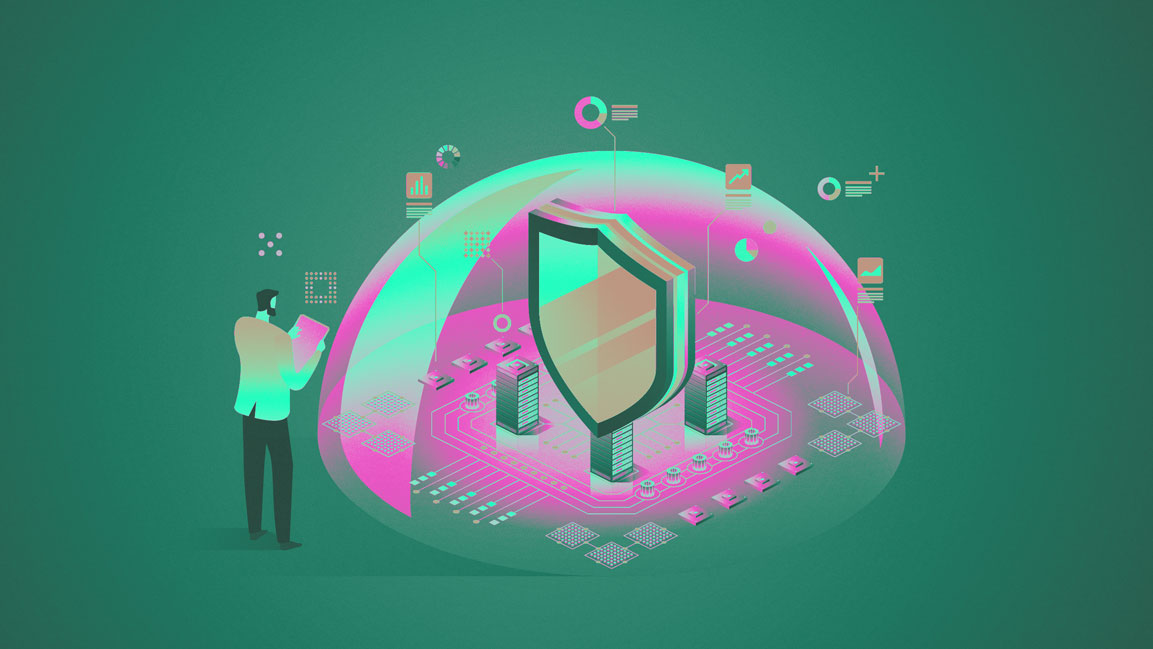
IBM has rolled out new cybersecurity measures as it warns that attackers are increasingly using frontier AI models to speed up and scale sophisticated cyberattacks.
The company said these models are already being used across the attack lifecycle, reducing the time, cost, and expertise needed to execute complex breaches.
This shift, IBM said, is pushing organizations toward “continuous business disruption,” as traditional security setups, often reliant on fragmented tools and manual processes, struggle to keep pace.
To address this, IBM Consulting is launching a new cybersecurity assessment to help enterprises evaluate readiness against what it calls “agentic-enabled threats.”
The offering focuses on identifying security gaps, policy weaknesses, and AI-specific vulnerabilities, while mapping potential exploit paths across large and complex IT environments.
The assessment also provides prioritized mitigation strategies, including interim safeguards where fixes may not yet exist, and highlights areas where automation and architectural changes could strengthen detection and response.
Alongside this, IBM has introduced IBM Autonomous Security, a multi-agent system designed to coordinate threat detection and response at machine speed. The service uses interoperable AI agents to analyze software exposures, enforce policies, detect anomalies, and contain threats with minimal human intervention.
Rather than operating as isolated tools, the system is built to function across an organization’s full security stack, integrating with governance, risk, and compliance workflows.
IBM said this approach is meant to reduce exposure windows and improve resilience as threats become more autonomous and self-optimizing.
“Frontier models are creating a new category of enterprise threat that is fast moving, systemic and increasingly autonomous,” said Mark Hughes, Global Managing Partner of Cybersecurity Services at IBM Consulting. “Meeting that threat requires a systemic defense. AI powered offense demands AI powered defense. That’s what IBM is delivering.”