

India Tightens CCTV Norms, Edges Out Chinese Gear
Products linked to Chinese-origin firmware or hardware are reportedly being denied certification, making them ineligible for sale in India’s connected camera segment.
Topics
News
- TCS Ties Up With Anthropic to Push Claude Into Enterprise AI
- Karnataka Shortlists 256 Deeptech Startups for ELEVATE NxT Finale
- Reliance-Backed Addverb Eyes $100 Million for Robotics Push
- Anthropic Releases Claude Fable 5 and Mythos 5
- Meta to Lease First AI Data Center in India From Reliance
- Musk Says Space AI Data Centers Are Within Reach as SpaceX Nears IPO
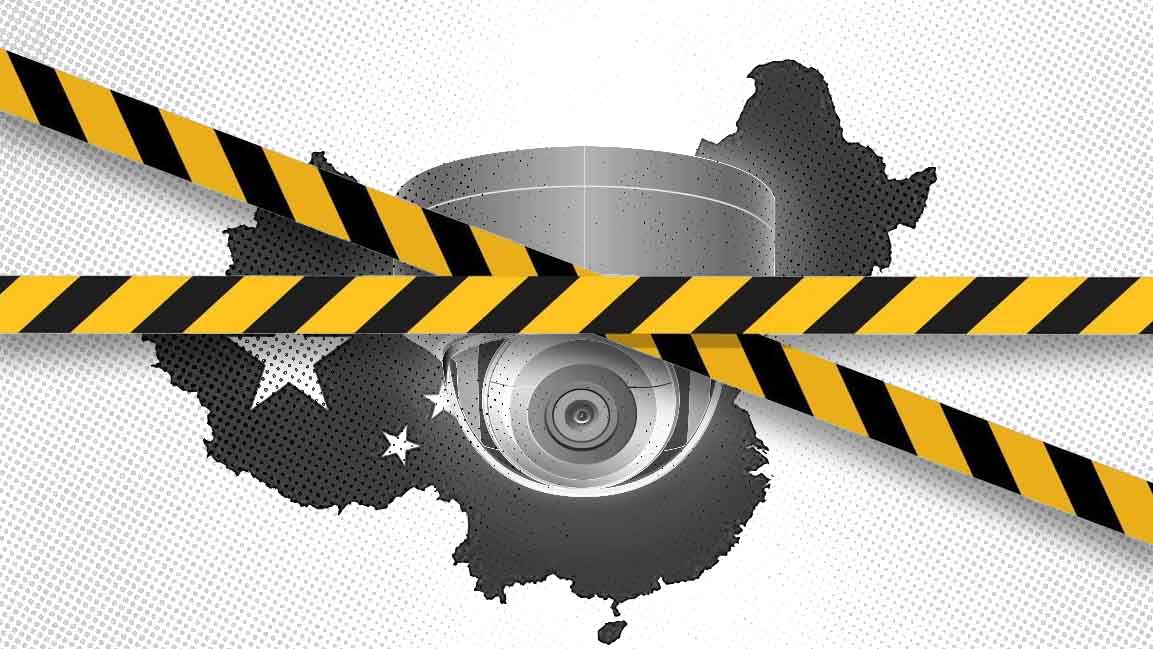
India is set to redraw the boundaries of its surveillance market from April 1, 2026, as new certification rules effectively shut out Chinese-made internet-connected CCTV cameras, marking one of the most decisive tech-security moves in recent years.
At the heart of the shift is mandatory clearance under the government’s Standardisation Testing and Quality Certification (STQC) framework. From April, every CCTV device sold in the country must disclose the origin of critical components like chipsets, pass cybersecurity audits, and prove it is safeguarded against unauthorised remote access.
Products linked to Chinese-origin firmware or hardware are reportedly being denied certification, making them ineligible for sale in India’s connected camera segment.
The implications are significant. Chinese surveillance majors such as Hikvision, Dahua, and TP-Link, which until recently accounted for roughly a third of India’s CCTV market, are expected to be the hardest hit.
The policy push is rooted in growing concerns around national security and data privacy. Internet-connected cameras are increasingly seen as sensitive infrastructure, with the potential for remote access and misuse if not tightly regulated.
Those concerns were echoed in a post by Harveen Singh Chadha, LLM researcher from Sarvam AI, who shared a striking anecdote: “A few years back, I was working on an automated CCTV surveillance project. We didn’t have any data at that time, so the company decided to buy it. A lot of Chinese vendors sent proposals averaging Rs 350-500 per hour. When I saw the samples, I was shocked. It had recordings of Indian households, factories, shops, and whatnot. You can take a guess at how these Chinese vendors got this data.”
While the enforcement begins now, the groundwork was laid earlier. The rules stem from Essential Requirements (ER) norms introduced in 2024, which gave companies a two-year window to comply. That transition period officially ends this week.
The market has already begun to adjust. Domestic players now command over 80% of the CCTV segment, with many shifting to non-Chinese supply chains. Some Chinese firms have scaled down operations or exited altogether.
However, the transition may come at a cost. Industry watchers expect prices, especially in mid- and premium segments, to rise due to more expensive alternative components and compliance overhead.
For existing users of Chinese CCTV systems, there’s no immediate disruption. Devices won’t be removed or banned overnight. But over time, concerns may emerge around software updates, cybersecurity support, and after-sales service as regulatory pressure tightens.