


India Weighs $220 Million Incentive Push for Drone Parts
New scheme targets component indigenization and reduced reliance on imports as drone demand rises across defense and civilian sectors.
News
- Fired OpenAI Researchers Warn Dismissals Could Chill Safety Work
- ARTEX Developer Closes AI Hacking Tool After Bank Attacks
- AI Redraws Global Race for Quant Talent as Coding Tools Lower Entry Barriers
- AI Dispatch | India Draws Billions Into AI
- AI Bots Now Make Up Half of Traffic to US Fed’s FRED Database
- Musk Blames ‘Oligarchs’ For Delay in Starlink’s India launch
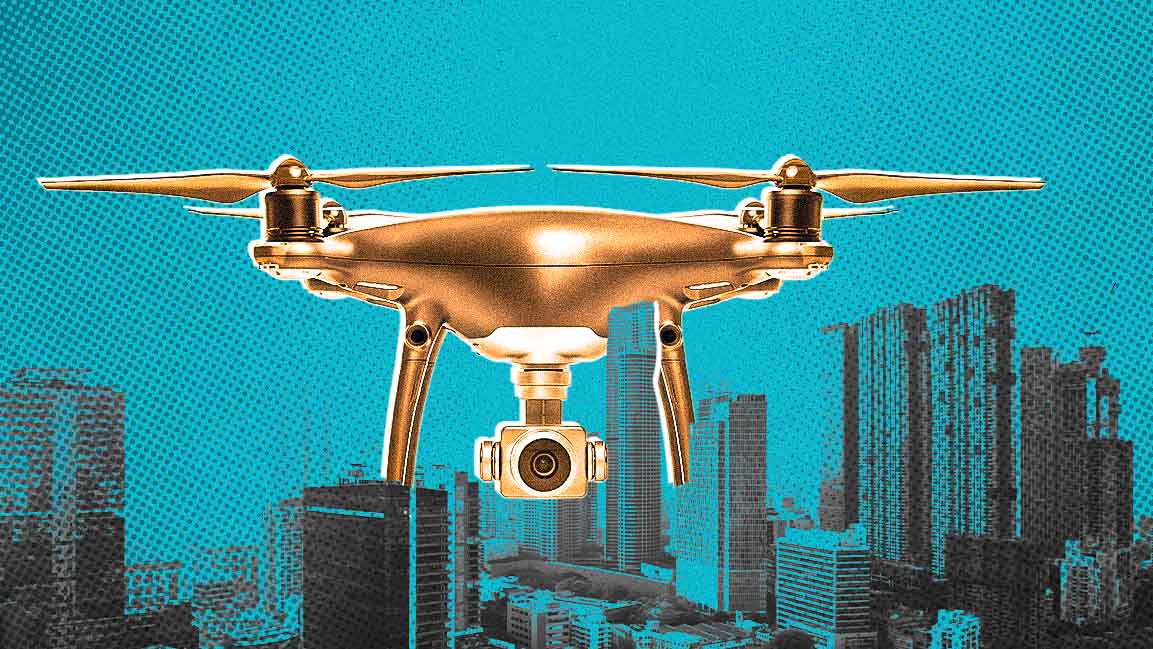
India’s civil aviation ministry is considering a ₹1,600-₹1,800 crore ($194–$220 million) production-linked incentive scheme to boost domestic manufacturing of drone components, reduce reliance on Chinese imports, and accelerate adoption across defense and civilian sectors, Mint reported, citing people familiar with the matter.
The proposed scheme, likely to be rolled out in the financial year starting 1 April 2026, aims to strengthen the local supply chain for critical drone components, an area where smaller manufacturers remain heavily dependent on imports.
Currently, many small drone makers source more than 50% of their components from overseas, highlighting gaps in India’s domestic manufacturing ecosystem.
The initiative, tentatively called Mission Drone Shakti, is expected to run for five years and focus on both research and development (R&D) as well as local production of key parts.
The government may initially allocate ₹500-600 crore toward R&D and ₹1,000-₹1,200 crore to support manufacturing of components such as motors, propellers, and airframes, according to the report.
The scheme is likely to follow a sales-linked incentive model, where companies receive benefits based on domestic value addition. A minimum threshold for local content may be set to qualify for incentives.
The proposal is expected to be reviewed by the finance ministry before being placed before a group of ministers for approval.
The move builds on India’s broader production-linked incentive framework, which spans 14 sectors including electronics, textiles, pharmaceuticals, and automobiles.
The government has already introduced reforms to support the drone ecosystem, including the Drone Rules 2021, which simplified regulatory processes and opened most of Indian airspace for operations. Restrictions on imports of fully built and semi-knocked-down drones have also encouraged domestic manufacturing.
Industry bodies are pushing for deeper localization. The Drone Federation of India, which represents more than 550 companies including over 200 component manufacturers, is working with policymakers to shape the sector’s growth.
“Given the growing use of drones in defense and other sectors, we expect a stronger push toward indigenizing component manufacturing and enabling exports,” Smit Shah, president of the federation, said.
The industry group has outlined ambitions to achieve 90% indigenization in drone components by 2030 and position India as a global hub for drone manufacturing and services.
Its Bharat Drone Stack initiative aims to address gaps in component-level manufacturing, targeting a ₹15,000 crore market, reducing imports by 75%, and creating around 5,000 jobs.