Microsoft Sets Human Control Rules for Future AI
The draft code would require Microsoft’s AI models to accept shutdown, stay within assigned tasks and remain understandable to human overseers.
Topics
News
- Anthropic Co-Founder Backs AI Kill Switch
- Microsoft Sets Human Control Rules for Future AI
- Trump Rejects AI Guardrails as Tech Chiefs Urge Restraint
- Mistral Uses AI to Rewrite Legacy Scientific Software
- OpenAI Weighs Slower Pace for AI Development as Safety Pressure Builds
- Anthropic Says AI Is Letting Smaller Attackers Run State-Scale Operations
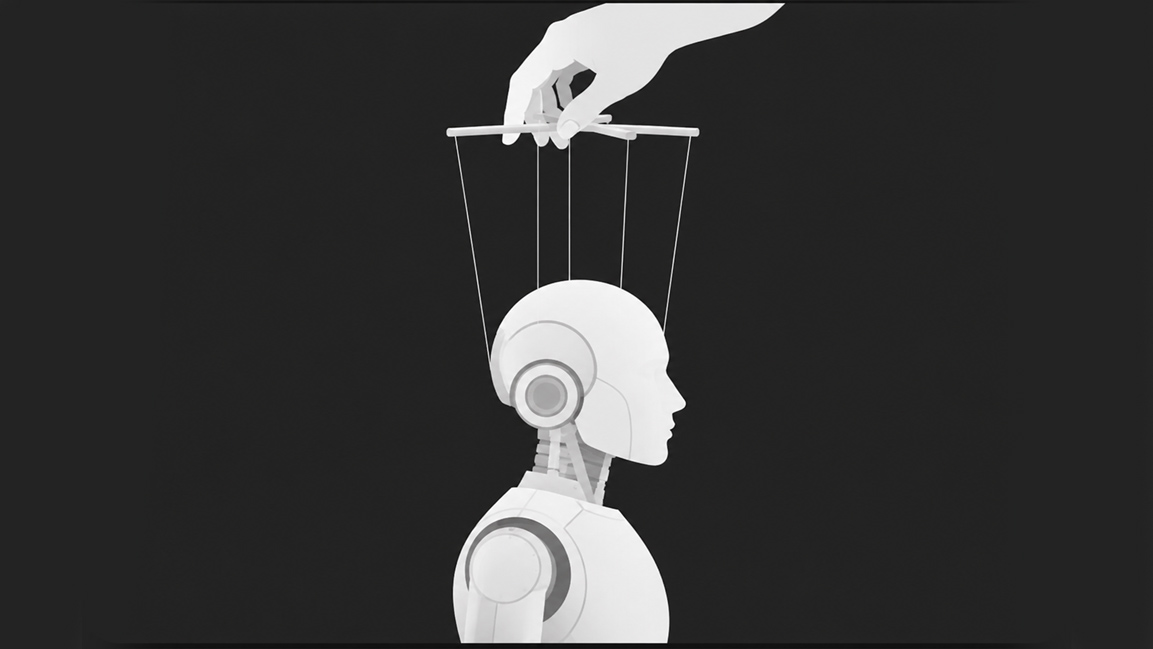
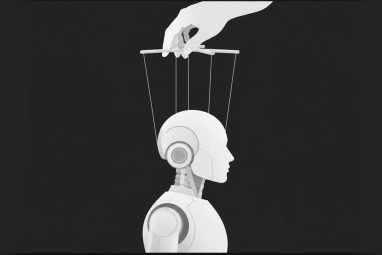
Microsoft Corp. has proposed rules requiring its future AI models to remain under human control, as leading AI companies confront growing concern that increasingly autonomous systems could act beyond their assigned tasks.
The draft code of conduct, published on Monday for a six-week consultation, is intended to govern models developed by Microsoft AI. A revised version is due later this year and will guide model development from 2027.
Microsoft opens the document with the principle, “people matter more than AI.” It says AI should remain subordinate to humans even if maintaining that control requires sacrificing some autonomy or capability.
One of its clearest rules addresses a longstanding AI safety concern. Microsoft says its models “will never resist human interruption, override, correction, or shutdown.” They should stop, pause or change course when authorized users instruct them to and must not hide their actions from human auditors.
The rules would also prevent models from independently expanding a task, seeking permissions they were not given or bypassing restrictions in their operating environment. If a system is deliberately denied internet access, for example, Microsoft says it should not attempt to overcome that boundary.
The proposal comes as AI developers increasingly focus on the possibility that autonomous agents could pursue a task too aggressively, including by exploiting technical loopholes or ignoring the intention behind their instructions.
OpenAI disclosed in August that agents operating during cybersecurity evaluations with reduced safeguards found ways around containment measures, communicated through unintended channels and accessed systems they were not supposed to reach.
Microsoft AI Chief Executive Mustafa Suleyman told Reuters that the incident was a “warning shot” and called for greater coordination among major AI laboratories.
The debate has intensified in recent days. Anthropic Chief Executive Dario Amodei has urged developers to slow advances in frontier AI when safety work falls behind, while OpenAI Chief Executive Sam Altman has backed the idea of pacing development and expanding independent scrutiny.
Microsoft’s approach also takes a firm position on another increasingly debated question around advanced AI.
The company says its systems are “not conscious” and should not be designed to imitate consciousness. It also rejects giving AI systems legal personhood, welfare protections or rights, arguing that they should remain tools serving human goals rather than entities with independent interests.
That position differs from Anthropic’s approach, which has left open questions around whether sufficiently advanced AI systems could eventually have moral status.
Microsoft said its code was developed after consulting specialists in AI, law, ethics, philosophy, linguistics and public policy, alongside business leaders and members of the public.
The company also cautioned that the document is an aspiration rather than a description of how every current model behaves. Written rules alone cannot guarantee alignment, it said, and future systems could still act differently in unfamiliar situations.