


Tata Trusts Reappoint Venu Srinivasan for Life
Both Tata philanthropic trusts have approved lifetime tenures for trustees, beginning with Srinivasan, in a move aimed at preserving continuity and resolving internal divisions.
News
- Fired OpenAI Researchers Warn Dismissals Could Chill Safety Work
- ARTEX Developer Closes AI Hacking Tool After Bank Attacks
- AI Redraws Global Race for Quant Talent as Coding Tools Lower Entry Barriers
- AI Dispatch | India Draws Billions Into AI
- AI Bots Now Make Up Half of Traffic to US Fed’s FRED Database
- Musk Blames ‘Oligarchs’ For Delay in Starlink’s India launch
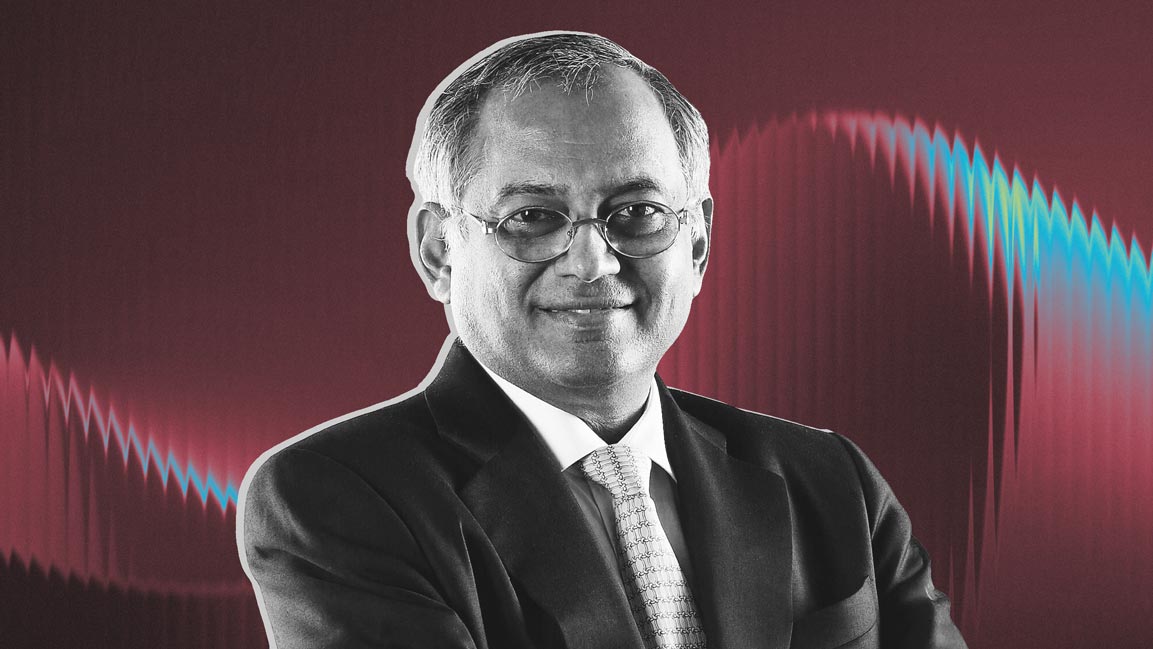
The Sir Dorabji Tata Trust and the Sir Ratan Tata Trust have reappointed Venu Srinivasan as trustee and vice chairman for life, The Press Trust of India reported, citing a person with direct knowledge of the matter.
The decision formalizes a shift in governance that eliminates term limits for trustees and comes amid internal debate over board nominations and succession.
The reappointment follows a resolution passed jointly by the two trusts, which stated that “on expiry of any tenure of any trustee, that trustee will be re-appointed… without any limit being attached to the period of tenure.”
PTI reported that the resolution also deemed it a breach of trustee conduct to oppose a fellow trustee’s reappointment, potentially disqualifying such individuals from serving on the trust boards in future.
Srinivasan is the second senior figure to be granted a lifetime term this year.
In January, Noel Tata, chairman of the Sir Ratan Tata Trust, was similarly reappointed without term limits.
Together, the two trusts control a majority stake (around 66%) in Tata Sons, the holding company of the Tata Group.
According to the report, the trusts also decided that Tata Sons board directors nominated by the trusts will have their tenures reviewed upon reaching the age of 75.
This provision came into focus recently when trustee Vijay Singh, having crossed that threshold, failed to secure majority support from his peers and subsequently resigned from the Tata Sons board.
The episode reportedly exposed tensions between the two trusts.
Mehli Mistry’s name was floated as Singh’s replacement, but was opposed by Noel Tata. That reported disagreement was at the heart of the rift that led to Singh’s exit.
The trusts’ boards currently include Noel Tata, Venu Srinivasan, Mehli Mistry, Vijay Singh (prior to resignation), Pramit Jhaveri, Darius Khambata, and Jehangir Jehangir.
Key decisions on shareholding and operational oversight are handled by an executive committee that comprises Noel Tata, Srinivasan, Mistry, and (until recently) Singh.
The move to formalize lifetime tenures draws on historical precedent.
Former trustees such as J.R.D. Tata, Ratan Tata, Jamshed Bhabha, and R.K. Krishna Kumar all served until their passing. While others like Noshir Soonawala stepped down voluntarily due to age or health, many trustees historically continued to serve indefinitely unless incapacitated.
By reinforcing lifetime appointments and tightening internal consensus rules, analysts said, the trusts appear to be signaling a preference for continuity and closed-door resolution, especially on matters tied to Tata Sons’ governance and long-term philanthropic stewardship.