
The Vatican Enters the AI Governance Debate
The Vatican’s first major AI intervention frames artificial intelligence as a test of power, accountability and institutional oversight.
Topics
News
- Fired OpenAI Researchers Warn Dismissals Could Chill Safety Work
- ARTEX Developer Closes AI Hacking Tool After Bank Attacks
- AI Redraws Global Race for Quant Talent as Coding Tools Lower Entry Barriers
- AI Dispatch | India Draws Billions Into AI
- AI Bots Now Make Up Half of Traffic to US Fed’s FRED Database
- Musk Blames ‘Oligarchs’ For Delay in Starlink’s India launch
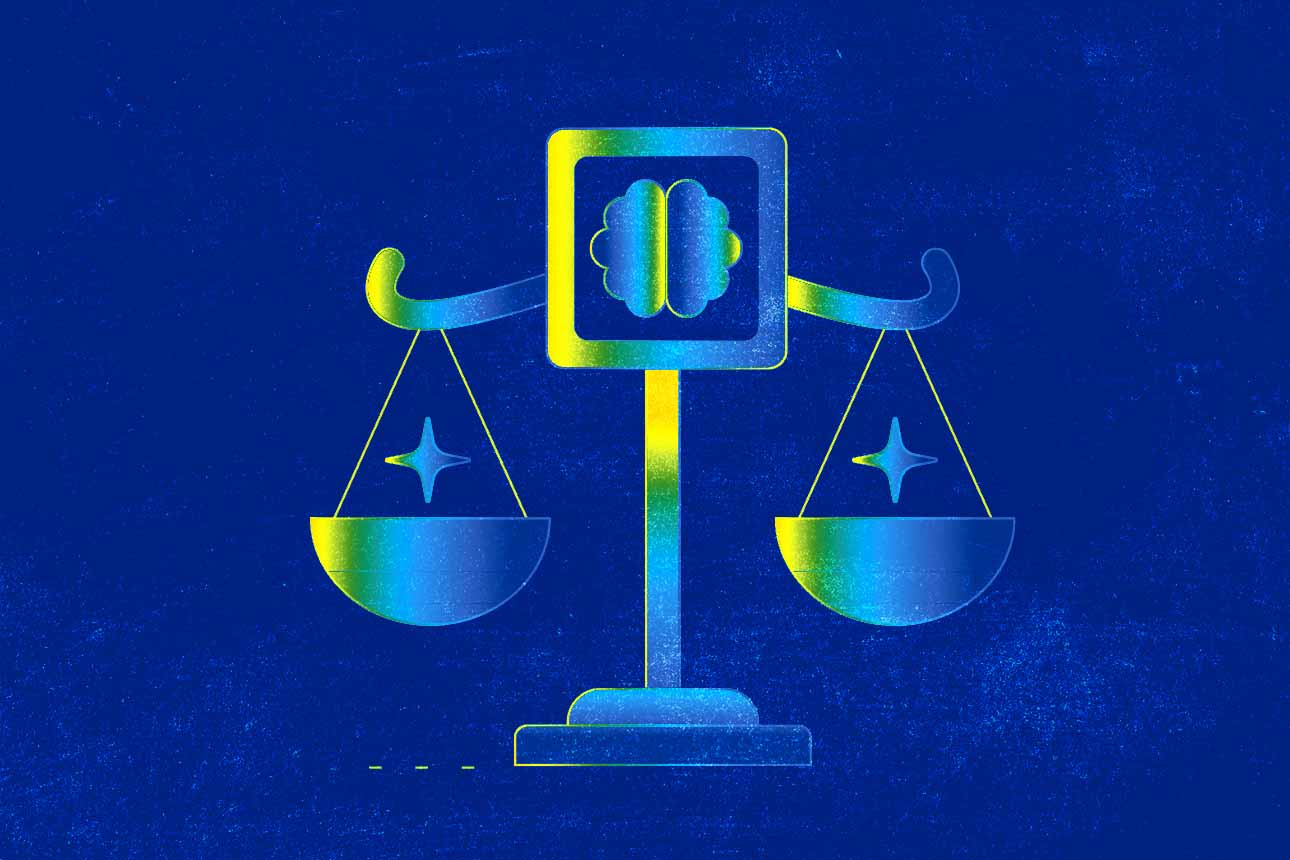
Pope Leo XIV used the first encyclical of his papacy to argue that artificial intelligence cannot be governed by technology companies alone, placing the Vatican’s moral authority behind a widening debate over who should control the systems now reshaping work, war, education and public life.
In Magnifica Humanitas, released on Monday, 25 May, Leo warned that AI risks deepening the concentration of power in the hands of a small group of private actors, and called for legal frameworks, independent oversight and political responsibility to guide its development.
The document, formally titled On Safeguarding the Human Person in the Time of Artificial Intelligence, positions AI as an institutional challenge.
“It is not enough to invoke ethics in the abstract; robust legal frameworks, independent oversight, informed users and a political system that does not abdicate its responsibility are required,” Leo wrote, according to the Associated Press. “A more moral AI is not enough if that morality is determined by a few.”
That argument goes beyond familiar warnings about misinformation, bias or job losses. Leo’s concern is that AI development is increasingly shaped by companies whose economic power, technical capability and control over data may exceed the oversight capacity of many governments.
For business leaders, the message is blunt enough for even a governance committee to notice: AI risk is not confined to model behavior. It sits in ownership, incentives, deployment rights, decision accountability and the distribution of benefits.
The encyclical links AI to the tradition of Catholic social teaching that began with Rerum Novarum, Pope Leo XIII’s 1891 letter on labor and capital during the Industrial Revolution. Leo XIV signed the new document on 15 May, the 135th anniversary of Rerum Novarum, drawing a direct parallel between industrial capitalism’s disruption of work and the current transformation driven by AI.
“The pursuit of greater profits cannot justify choices that systematically sacrifice jobs, because the human person is an end, not a means, and the economic order must remain subordinate to human dignity and the common good,” Leo wrote, according to AP.
Leo is effectively challenging leaders to move AI governance from compliance checklists to operating models. That means deciding who is accountable when automated systems influence hiring, credit access, medical decisions, education, military targeting or workplace design. It also means asking whether AI strategy is being driven by measurable human outcomes or by the narrower logic of efficiency, scale and cost reduction.
Anthropic Co-Founder Chris Olah’s presence at the launch showed the tension in the Vatican’s approach: working with AI labs while warning about their growing power.
Olah said AI development “cannot be left solely to technology companies,” and warned that there was “a real possibility” that AI could displace human labor “at very large scale.”
“If that happens, supporting those displaced will be a moral imperative of historic proportions,” Olah said at the Vatican, adding that frontier AI labs operate under commercial, geopolitical and personal pressures that can conflict with the broader interests of society.
The encyclical’s corporate relevance lies in its warning that AI development is shaped not only by intent, but by incentives. Companies building AI systems operate in markets that reward scale, data capture, adoption and influence. The document argues that governance cannot rely only on voluntary ethics pledges, and must include outside scrutiny, institutional checks and clear accountability across the AI value chain.
Leo also warned against handing irreversible life-and-death decisions to AI systems, especially in warfare. He criticized the use of advanced technology to make remote conflict seem routine. AP reported that he said it was “not permissible” to entrust lethal decisions to AI systems, and called for transparency in chains of command involving AI-enabled weapons.
For companies, the principle goes beyond war. AI systems are increasingly used in decisions that affect livelihoods, access, opportunity and safety. The encyclical argues that human judgment cannot be replaced by system outputs. Organizations using AI must preserve traceability, responsibility and the ability to challenge automated decisions.
The document also places education and work at the center of the AI transition. Leo called on schools to build critical judgment, not merely adapt to digital tools, while also warning that productivity gains from technology should not become an excuse to treat workers as disposable.
The encyclical also addressed war, slavery and historical injustice. Leo said the use of AI in warfare must face strict ethical limits, criticized modern reliance on “just war” arguments, and issued a historic apology for the Holy See’s role in legitimizing slavery.
Encyclicals are among the most authoritative forms of papal teaching, addressed to the Catholic Church’s 1.4 billion members.
Monday’s highly anticipated document, running to nearly 43,000 words, had been under preparation almost since Leo was elected pope more than a year ago.