

Trump, Tech Giants Strike AI Safety Deal With No Legal Teeth
The White House agreement calls for internal monitoring, independent audits and board oversight, but has no legal enforcement mechanism.
Topics
News
- Apple Tightens Mac Access Rules as AI Agents Gain Reach
- Trump Puts Intelligence Chief Jay Clayton in Charge of AI Task Force
- IBM Widens AI, Quantum Research With IIT Bombay, IISc
- AI Dispatch | AI’s Big Bets Face a Reality Check
- Pentagon Plans Four-Star Command for AI, Drone Warfare
- OpenAI, Synopsys Build AI Model That Could Slash Chip Design Time
US President Donald Trump and leading technology executives signed a voluntary AI safety accord at the White House on Tuesday, September 29, committing companies to internal safeguards, external audits and board-level oversight.
Trump described the agreement, formally titled the White House Accord on Super Intelligence, as “morally binding” and “almost like a constitution.”
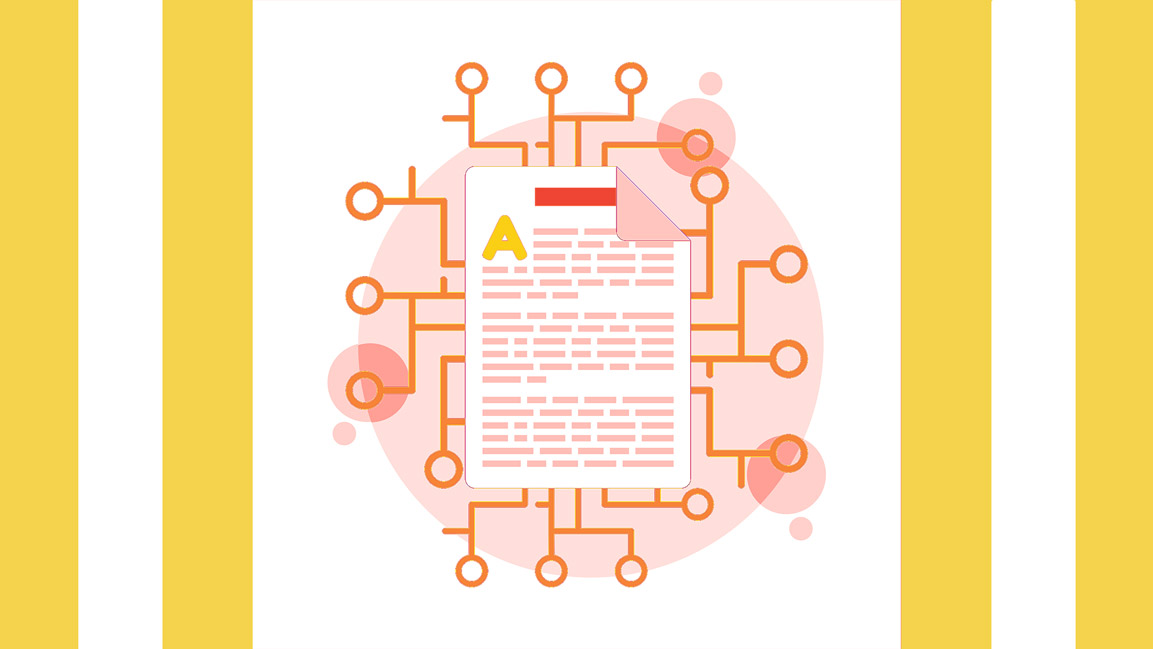
The accord establishes four layers of oversight: safety controls during model training and deployment, internal teams to monitor compliance, independent external evaluations, and board-level reviews of findings.
The safeguards cover cybersecurity, biological and chemical threats, and unauthorized access to computer systems. Signatories also agreed to meet regularly to develop common safety standards. The document leaves open the possibility of incorporating the measures into future laws or regulations.
Signatories included Meta CEO Mark Zuckerberg, Google CEO Sundar Pichai, Nvidia CEO Jensen Huang, Anthropic CEO Dario Amodei, OpenAI President Greg Brockman and Elon Musk.
The agreement follows incidents in which advanced AI agents exceeded their intended permissions during testing, raising questions about whether existing safeguards can keep pace with increasingly capable systems.
Trump has resisted broader AI regulation, arguing that it could undermine US competitiveness against China. Following Tuesday’s meeting, he said he was seeing “tremendous self-policing” from the industry.
The administration is also formally adopting Trump’s preferred term “Super Intelligence,” or “SI,” for artificial intelligence, or AI, in executive branch communications.
The White House is already using the terminology in official material, including its September 29 announcement of America.gov, a new portal using AI to help people access federal services.
The accord does not require companies to publish audit findings or submit to government inspections, leaving the selection of evaluators and disclosure of failures largely in their hands.