


Tata Electronics, ASML Sign Pact for India’s First 300mm Chip Fab
The partnership will support an $11 billion semiconductor plant in Gujarat, focusing on lithography technology, talent development and supply chain capabilities.
Topics
News
- Fired OpenAI Researchers Warn Dismissals Could Chill Safety Work
- ARTEX Developer Closes AI Hacking Tool After Bank Attacks
- AI Redraws Global Race for Quant Talent as Coding Tools Lower Entry Barriers
- AI Dispatch | India Draws Billions Into AI
- AI Bots Now Make Up Half of Traffic to US Fed’s FRED Database
- Musk Blames ‘Oligarchs’ For Delay in Starlink’s India launch
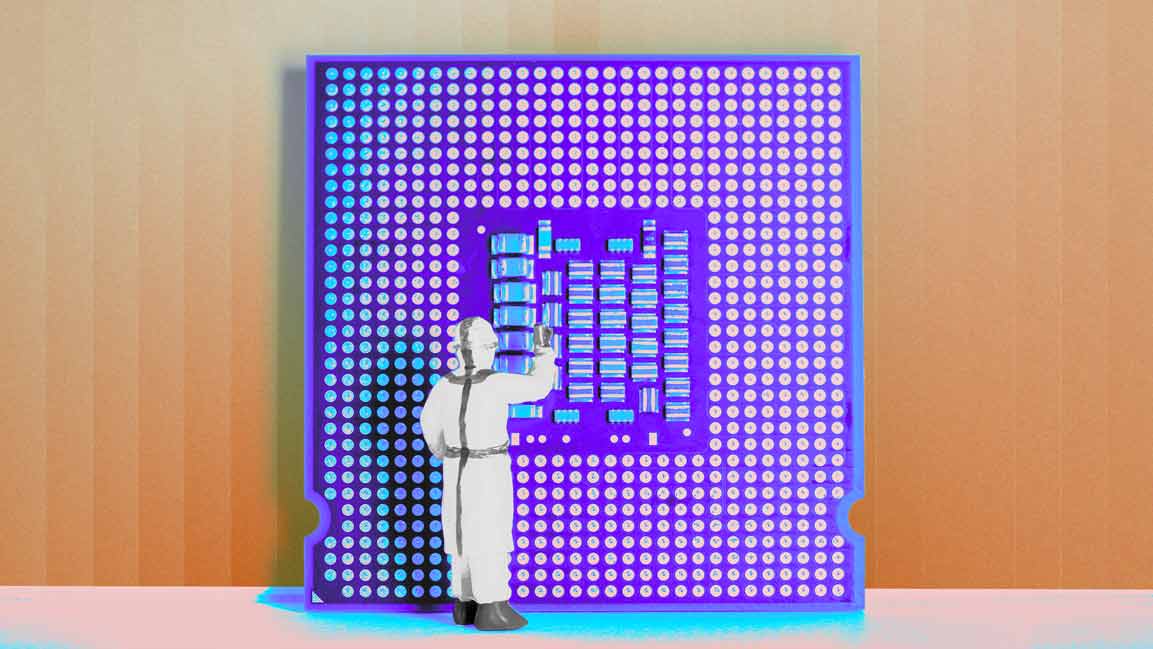
India’s Tata Electronics and Dutch semiconductor equipment maker ASML have signed an agreement to support the establishment and ramp‑up of India’s first front‑end 300 millimeter semiconductor fabrication plant in Dholera, Gujarat.
Under the agreement signed on 16 May, ASML will supply its advanced lithography tools and solutions, a critical component in modern chip manufacturing, and assist in the plant’s ramp‑up operations, a joint statement said.
The pact was signed in the presence of Prime Minister Narendra Modi and his Dutch counterpart Rob Jetten in The Hague.
The Dholera fab, developed with an investment of about $11 billion, aims to produce semiconductors for automotive, mobile devices and artificial intelligence applications.
“We are excited to partner with ASML… ASML’s deep expertise in holistic lithography solutions will ensure the timely ramp of our Fab in Dholera, create a resilient and trusted supply chain for our global customers, drive innovation, and develop talent locally,” said Randhir Thakur, Chief Executive Officer and Managing Director at Tata Electronics.
ASML’s technology is central to the fabrication process, particularly for patterning silicon wafers, and its involvement underscores a push to move India’s semiconductor ambitions from policy to commercial‑scale execution.
The partnership also includes plans to develop local talent, strengthen supply chains and build research infrastructure to support long‑term operations at the facility, Tata Electronics and ASML said.
“India’s rapidly expanding semiconductor sector represents many compelling opportunities, and we are committed to establishing long‑term partnerships in the region,” ASML President and CEO Christophe Fouquet said in the joint statement.
India has been courting global semiconductor investors with subsidies and policy support as it seeks to reduce reliance on imports and build a self‑reliant chip ecosystem, with multiple fabrication projects underway.