Musk Sees Starlink’s India Launch on Horizon
Musk used a podcast with Zerodha co-founder Nikhil Kamath to frame India as a key missing market for Starlink, while speaking on US immigration, the effects of AI on work, and what he believes Indian founders should prioritize.
Topics
News
- Sovereign Wealth Funds Chase AI Infrastructure Boom
- Indian IT Firms See Agentic AI Opening $400 Billion Opportunity
- OpenAI Hires Uber Veteran Prabhjeet Singh for India Push
- India-US Talks Put AI Stack In Focus
- OpenAI Plans Limited GPT-5.6 Rollout After White House Request
- Employers Still Want MBAs Even as One in Three Hands Entry-Level Work to AI
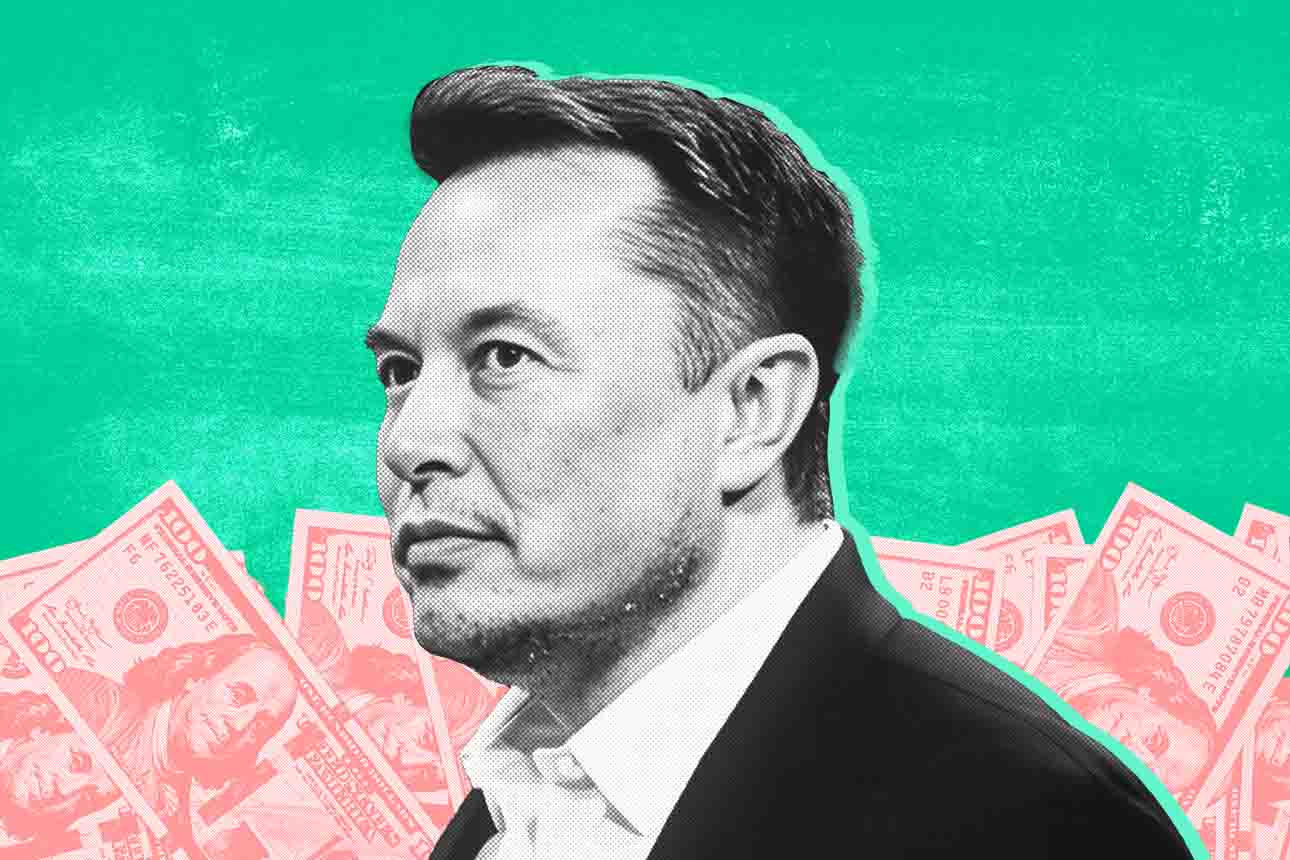
SpaceX chief executive Elon Musk said the company aims to launch its Starlink service in India soon and used a podcast with Zerodha co-founder Nikhil Kamath to discuss US immigration policy, the long-term impact of artificial intelligence, and guidance for Indian entrepreneurs.
In a wide-ranging conversation on Kamath’s podcast released on Sunday, Musk called Starlink a key part of SpaceX’s global mission and said India is an significant gap in its current footprint.
“We’d love to be operating in India. That would be great. We’re operating in 150 different countries now, with Starlink,” he said, calling the programme a reliable, low-cost connectivity solution for remote regions.
On immigration, Musk said the US has historically benefited enormously from Indian talent, reflected in the large number of Indian-origin leaders heading major American companies.
However, he pointed to a growing political divide in the U.S. over border controls. Under the earlier Joe Biden administration, he said, “border control was extremely loose, almost a free-for-all,” leading to incentives that encouraged illegal immigration.
He criticized the misuse by outsourcing firms of the H-1B visa programme but rejected calls from the far-right to shut it down. “That would be a very bad idea,” he said, adding that his companies hire based on talent, not cost arbitrage. “For the kind of extremely difficult work we do, it’s hard enough to find the right talent.”
Asked what advice he would offer founders in India, Musk urged them to focus on creating value rather than chasing money.
“Anyone who aims to create more value than they consume has my respect,” he said. Wealth, he argued, is a by-product of building something genuinely useful.
The conversation then turned to Musk’s vision of the future of work, a world where AI and robotics could make most jobs optional within a decade or two.
Musk said society may move toward what he called “universal high income,” freeing people to live where they choose rather than staying tied to jobs.
“In ten to fifteen years, advancements in AI and robotics will likely make working optional,” he said, likening it to deciding whether to grow one’s own food: a choice, not an economic need.
Musk said he is unsure what people will compete for in that world. He framed it in terms of the singularity, the hypothetical point at which artificial intelligence surpasses human reasoning.
“We might be heading into what’s often called the singularity; you don’t know what happens beyond the event horizon,” he said. “It doesn’t mean something bad happens; it just means we genuinely don’t know what lies on the other side.”