Anthropic Brings Claude Into Slack Workflows
Claude Tag lets teams assign work to Anthropic’s AI assistant inside shared channels.
News
- Fired OpenAI Researchers Warn Dismissals Could Chill Safety Work
- ARTEX Developer Closes AI Hacking Tool After Bank Attacks
- AI Redraws Global Race for Quant Talent as Coding Tools Lower Entry Barriers
- AI Dispatch | India Draws Billions Into AI
- AI Bots Now Make Up Half of Traffic to US Fed’s FRED Database
- Musk Blames ‘Oligarchs’ For Delay in Starlink’s India launch
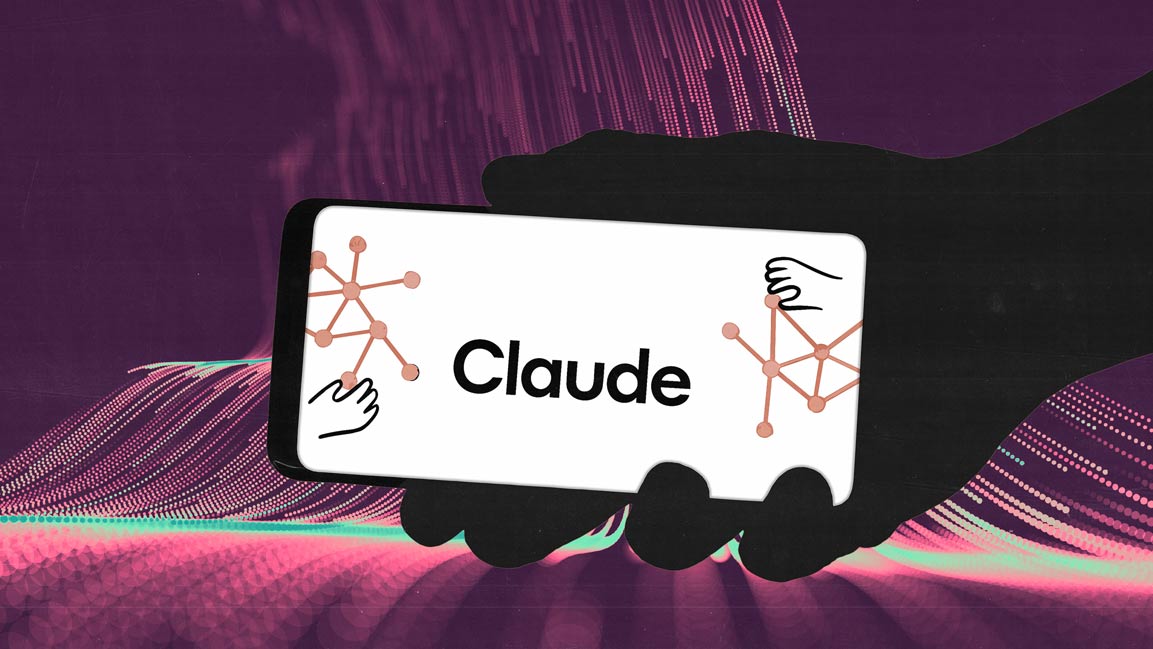
Image Credit- Chetan Jha/ MIT Sloan Management Review India
Anthropic introduced Claude Tag, a Slack feature that lets employees assign work to its AI assistant from inside team channels.
The tool is available in beta for Claude Enterprise and Team customers.
Users can tag @Claude in a Slack thread and ask it to carry out tasks using the channels, tools, datasets and codebases approved by administrators.
Claude Tag can break requests into stages, work through them using connected tools and post the result back in a Slack thread.
Anthropic said the feature is meant for shared workflows, not private one-on-one chats.
Within a channel, employees interact with a common instance of Claude, allowing team members to view ongoing work and continue conversations from where others left off.
Anthropic said the system can build context from conversations in channels where it has been granted access, reducing the need for users to repeatedly provide background information. The company also said Claude can be configured to proactively surface updates, flag relevant information and follow up on unresolved tasks.
The launch reflects a broader shift across the AI industry toward agent-based systems that can perform work across multiple applications instead of responding to isolated prompts.
Anthropic said the feature has become widely used internally, with employees using it for software development, product analytics, customer support and debugging tasks. According to the company, 65% of the product team’s code is now generated through its internal version of Claude Tag.
To address security concerns, Anthropic said administrators can control which channels, tools and data sources the AI can access. Organizations can create separate Claude environments for different teams, while administrators can also set spending limits and review activity logs.
Claude Tag replaces Anthropic’s existing Slack integration and runs on the company’s Opus 4.8 model.