


India Opens PSLV Rocket to Private Firms
India’s plan to transfer PSLV technology to private firms marks a wider shift toward commercial launch services, even as recent mission setbacks put reliability back in focus.
News
- Fired OpenAI Researchers Warn Dismissals Could Chill Safety Work
- ARTEX Developer Closes AI Hacking Tool After Bank Attacks
- AI Redraws Global Race for Quant Talent as Coding Tools Lower Entry Barriers
- AI Dispatch | India Draws Billions Into AI
- AI Bots Now Make Up Half of Traffic to US Fed’s FRED Database
- Musk Blames ‘Oligarchs’ For Delay in Starlink’s India launch
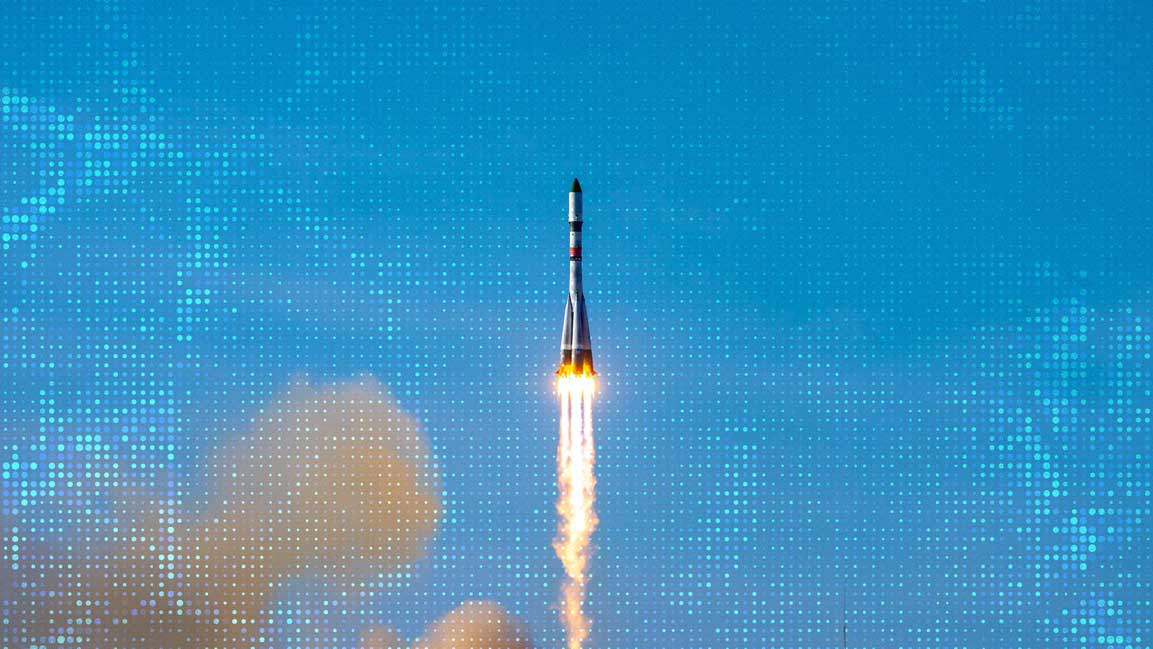
India’s space regulator has invited private firms to seek full technology transfer for the Polar Satellite Launch Vehicle (PSLV), opening the way for one of Isro’s most-used rockets to be built and operated commercially even as recent failures put its reliability back under scrutiny.
The Indian National Space Promotion and Authorisation Centre, or IN-SPACe, has invited expressions of interest from eligible Indian private entities for full transfer of PSLV technology. The move would allow a selected company or consortium to build, operate and commercialize launches using one of Isro’s most used rockets.
“We have released an expression of interest to transfer the technology of the PSLV rocket to the private sector,” IN-SPACe chairman Pawan Goenka told Bloomberg. Only companies “majority owned and controlled by Indians” will qualify, he said.
The regulator’s offer comes before India’s first fully industry-built PSLV has flown. NewSpace India Ltd had awarded a ₹860 crore contract in 2022 to a Hindustan Aeronautics Ltd and Larsen and Toubro consortium to build five PSLV-XL rockets. That first vehicle was earlier expected in 2026, but the transition has taken longer than first planned.
The PSLV offer is part of a wider handover of launch-vehicle capability. IN-SPACe has also opened an expression-of-interest process for transferring LVM3 technology, with registration for a pre-EOI conference due by 29 June. LVM3 is India’s heaviest operational rocket and was used for the Chandrayaan-3 lunar mission.
For New Delhi, the logic is clear: Isro should focus more on advanced missions and technology development, while industry takes on repeat production and commercial launch services. That would give India a better shot at expanding its share of the global space market, where private launch providers have set the pace.
The PSLV remains central to that plan. It has carried Chandrayaan-1, the Mars Orbiter Mission, Aditya-L1 and dozens of commercial satellite missions. In 2017, it set a record by launching 104 satellites in one flight.
But the timing is uncomfortable. PSLV-C61 failed in May 2025, and PSLV-C62 encountered an anomaly during the end of the third stage in January 2026. C62 was the second PSLV disappointment in about eight months, denting a vehicle whose success rate had long been above 90%.
Isro has said detailed analysis was initiated after the C62 anomaly. Its launch records list PSLV-C61 as “not accomplished,” while C62 remains the latest PSLV flight.
That makes the technology transfer a bet on both industry readiness and Isro’s ability to restore confidence in the vehicle.
Private firms will not only have to absorb design and manufacturing know-how; they will also have to preserve reliability in a business where one failed launch can damage customer trust.
IN-SPACe has set steep eligibility conditions. Applicants need space or aerospace experience and must meet financial thresholds, including turnover or valuation requirements.
Isro is expected to provide support during the absorption phase, but the goal is not merely outsourced production. The selected firm is expected to eventually operate and sell PSLV launches.
India has been trying to open its space sector since the 2020 reforms allowed private companies to build and operate space assets. The government wants the domestic space economy to grow sharply by the end of the decade, helped by private launchers, satellite makers, downstream services and foreign customers.